
A woman may consider freezing her eggs when she wants to preserve the option of having a biological child in the future, particularly if pregnancy is likely to be delayed or a medical condition or treatment may affect fertility.
Age is one of the most important factors to consider because egg quality declines with age. In general, freezing eggs at a younger age is associated with better outcomes when those eggs are used later. However, there is no single age that is considered ideal for every woman, and ASRM states that current evidence is insufficient to define one optimal age for planned egg freezing.
The decision should therefore consider age, reproductive plans, ovarian reserve, medical history and the likelihood that the frozen eggs may actually be needed in the future.
When Should You Consider Freezing Your Eggs?
Egg freezing may be worth discussing if:
- You expect to postpone pregnancy for several years.
- You are not currently ready to have children but want to preserve future reproductive options.
- You are undergoing, or are likely to undergo, medical treatment that could damage ovarian function.
- You have a medical condition that may affect future fertility.
- You are concerned about age-related fertility decline and want to understand your options.
- You are considering fertility preservation before treatment for certain cancers or other conditions that may affect the ovaries.
Egg freezing is a form of fertility preservation, not a guarantee of a future pregnancy. The age at which eggs are frozen is particularly important because freezing preserves the eggs at their biological age at the time of retrieval.
What Is the Best Age to Freeze Your Eggs?
There is no scientifically established single “best age” for everyone.
However, younger age at the time of egg freezing is generally associated with better reproductive outcomes when the frozen eggs are later used. ASRM recommends counseling patients that live-birth rates per embryo transfer are improved when planned oocyte cryopreservation is performed at a younger rather than older age, while also noting that there is insufficient evidence to define one optimal age for planned egg freezing.
This distinction is important.
It would be too simplistic to say that every woman should freeze her eggs before a particular birthday. A woman in her late 20s may have no reason to pursue fertility preservation, while a woman in her early 30s may have strong personal or medical reasons to consider it.
The useful question is not simply:
“What is the perfect age to freeze my eggs?”
It is:
“Based on my age, fertility profile and reproductive plans, would freezing my eggs now provide meaningful future options?”
Why Does Age Matter in Egg Freezing?
Egg quantity and egg quality change as a woman gets older.
The ovaries contain a finite number of eggs, and both the number and quality of available eggs decline with age. Age-related changes in egg quality also increase the likelihood of chromosomal abnormalities in embryos.
When eggs are frozen, the goal is to preserve them before these age-related changes progress further.
This is why the age at egg retrieval matters more than simply the age at which the eggs are eventually used. HFEA explains that the age at which eggs are frozen is an important factor affecting the likelihood of future success.
For example, freezing eggs at 31 and using them at 39 means the eggs retain the biological characteristics they had when they were retrieved at 31. It does not make the ovaries biologically younger at 39, and it does not remove the pregnancy-related considerations associated with being older.
Should You Freeze Your Eggs in Your 20s?
Egg freezing in the 20s can preserve eggs at a younger biological age, but that does not mean every woman in her 20s should freeze her eggs.
A woman may reasonably decide not to freeze her eggs if she expects to have children within the foreseeable future and has no medical indication for fertility preservation.
On the other hand, someone who anticipates a prolonged delay in childbearing may want to discuss fertility preservation earlier.
Planned egg freezing involves medical treatment, financial cost, ovarian stimulation and an egg-retrieval procedure. It should therefore be considered as an individual decision rather than a routine step for all women.
What About Egg Freezing Between 30 and 35?
The early 30s can be an important period to discuss egg freezing because age-related changes in fertility are progressive rather than sudden.
If pregnancy is likely to be delayed, discussing fertility preservation during this period may provide more options than waiting until later.
However, there is no specific age at which a woman must freeze her eggs.
The decision depends on factors such as:
- Current age
- Expected timing of pregnancy
- Reproductive goals
- Ovarian reserve
- Medical history
- Previous ovarian surgery or treatment
- Conditions that may affect fertility
- Whether future fertility may be affected by medical treatment
An assessment can help put these factors into context.

Is It Too Late to Freeze Eggs After 35?
Egg freezing after 35 is still possible, but age becomes increasingly important when discussing the potential future use of the frozen eggs.
ASRM’s evidence review found that live-birth outcomes after planned oocyte cryopreservation appear better when eggs are frozen at younger ages, although the available evidence is not strong enough to establish one universally optimal age.
This means that a woman who is 36 or 37 should not assume that egg freezing is pointless.
Instead, she should have an individualized assessment that considers her ovarian reserve and reproductive plans.
Waiting longer may mean that fewer eggs can be retrieved in a cycle or that the eggs retrieved have a lower probability of ultimately producing a successful pregnancy. The degree of change varies considerably between individuals.
What About Egg Freezing After 40?
Egg freezing after 40 requires particularly careful counseling because egg quality and reproductive potential generally decline with age.
Egg freezing may still be technically possible, but freezing eggs at an older age does not restore the reproductive potential associated with younger eggs.
For this reason, a woman considering egg freezing in her 40s should discuss the likely benefits and limitations with a fertility specialist rather than assuming that egg freezing will provide the same future options as freezing eggs at a younger age.
HFEA specifically cautions that the age at freezing is important to future treatment outcomes and reports substantially lower success with eggs frozen at older ages.
Should You Freeze Your Eggs If You Are Not Ready for Children?
Yes, planned egg freezing may be considered by women who are not ready for pregnancy but want to preserve an option for future biological parenthood.
Reasons may include:
- Not being ready for parenthood
- Education or career plans
- Financial circumstances
- Not currently having a partner
- Wanting more time before making reproductive decisions
ASRM recognizes planned oocyte cryopreservation as an ethically permissible option for individuals seeking to extend their reproductive window, while emphasizing the uncertainties surrounding future efficacy and long-term outcomes.
Egg freezing should not, however, be viewed as an “insurance policy” that guarantees a future baby.
The eggs may never be needed, and there is no guarantee that frozen eggs will ultimately result in a live birth.
Should You Freeze Your Eggs for Medical Reasons?
Medical fertility preservation can be particularly time-sensitive when a treatment may damage the ovaries.
For example, some cancer treatments, including certain chemotherapy and radiation treatments, can impair ovarian function.
In these circumstances, fertility preservation should be discussed as early as possible with the treating medical team and a fertility specialist so that treatment can be coordinated without unnecessarily delaying essential medical care.
ASRM’s 2026 guidance recognizes mature oocyte cryopreservation as an established fertility-preservation technique for postpubertal females facing medical indications and notes that age at vitrification and the number of oocytes retrieved are among factors associated with future success.
Does Low AMH Mean You Should Freeze Your Eggs?
Not necessarily.
AMH, or anti-Müllerian hormone, is commonly used as a marker of ovarian reserve. It can provide information about the expected ovarian response to stimulation and the number of eggs that may be retrieved.
However, AMH does not independently determine egg quality or guarantee whether frozen eggs will eventually result in a live birth.
ASRM’s guideline on planned oocyte cryopreservation found insufficient evidence to use ovarian reserve testing independently of age to predict live-birth outcomes after planned egg freezing.
A low AMH result therefore needs to be interpreted alongside age, ultrasound findings, reproductive history and the reason for considering fertility preservation.
What Tests Are Done Before Egg Freezing?
Before egg freezing, a fertility specialist usually reviews your reproductive and medical history and evaluates factors that can affect ovarian response.
Depending on your circumstances, assessment may include:
- Medical and reproductive history
- Menstrual and ovulation history
- AMH testing
- Antral follicle count by ultrasound
- Pelvic ultrasound
- Previous ovarian or pelvic surgery
- Previous fertility treatment
- Relevant medical conditions
- Current or planned treatments that could affect fertility
The purpose is not simply to decide whether eggs can be frozen.
It is to understand what egg freezing may realistically offer in your particular situation and whether the timing is appropriate.
How Does Egg Freezing Work?
Egg freezing follows many of the early steps used in IVF.
1. Fertility assessment
Your fertility specialist reviews your age, medical history and ovarian reserve and discusses your reproductive goals.
2. Ovarian stimulation
Hormonal medications are used to stimulate the ovaries so that multiple eggs can mature during one treatment cycle.
3. Monitoring
Ultrasound examinations and, when appropriate, blood tests are used to monitor follicular development and determine when the eggs are ready for retrieval.
4. Egg retrieval
The mature eggs are collected during a short procedure performed under appropriate sedation or anesthesia.
5. Vitrification
The mature eggs are rapidly frozen using a technique called vitrification and stored for potential future use.
Vitrification has become an established method of oocyte cryopreservation and has improved post-thaw egg survival compared with older slow-freezing approaches.
How Many Eggs Should a Woman Freeze?
There is no single number of eggs that guarantees a future baby.
The number of mature eggs a woman may be able to freeze depends on factors including age and ovarian response.
ASRM states that there is insufficient evidence to recommend one absolute number of cryopreserved eggs that will provide a specific probability of live birth for women undergoing planned egg freezing.
A fertility specialist can instead discuss the expected ovarian response and whether one or more stimulation cycles may be appropriate.
It is important not to interpret an egg-freezing target as a guarantee of future pregnancy.
Egg Freezing vs Embryo Freezing
Egg freezing and embryo freezing are both fertility-preservation options, but they are not identical.
|
Egg Freezing |
Embryo Freezing |
|
Eggs are retrieved and frozen unfertilized |
Eggs are fertilized before freezing |
|
Does not require choosing sperm at the time of freezing |
Requires sperm from a partner or donor |
|
The woman retains control over the future use of the eggs, subject to applicable law and consent |
Future use involves the consent and legal status of the individuals involved |
|
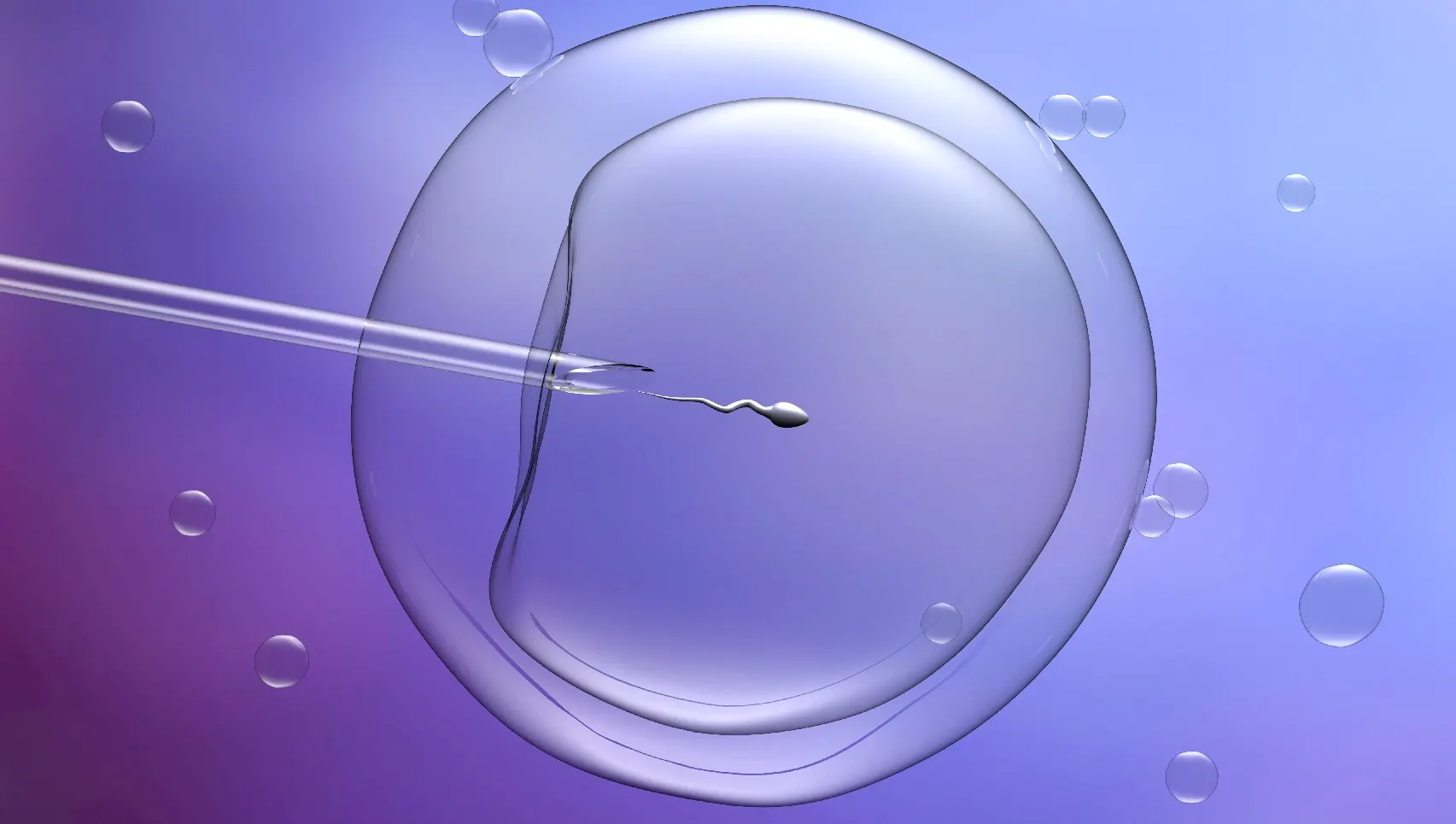
Eggs are later thawed and fertilized, commonly using ICSI |
Frozen embryos can later be transferred to the uterus |
The appropriate option depends on reproductive circumstances, preferences, availability of sperm, legal considerations and medical factors.
Does Freezing Eggs Guarantee Future Pregnancy?
No. Egg freezing does not guarantee a future pregnancy or live birth.
Several stages must occur successfully after the eggs are frozen.
The eggs must survive thawing, be successfully fertilized, develop into suitable embryos and then result in implantation and an ongoing pregnancy.
The probability of success depends on factors including the age at which the eggs were frozen and the number of mature eggs stored.
HFEA explicitly states that egg freezing is not a guarantee of having a baby.
This is one of the most important points to understand before choosing fertility preservation.
What Should You Consider Before Freezing Your Eggs?
Before deciding, consider five key questions:
1. How old are you now?
Age is one of the most important factors affecting the potential future value of frozen eggs.
2. How long are you likely to delay pregnancy?
The longer pregnancy is likely to be postponed, the more relevant fertility preservation may become for some women.
3. What does your ovarian reserve assessment show?
AMH and antral follicle count may help estimate how the ovaries could respond to stimulation, but they do not independently predict future live birth.
4. Is there a medical reason to preserve fertility?
If a planned treatment may affect ovarian function, fertility preservation may need to be discussed promptly.
5. Do you understand the limitations?
Egg freezing preserves an option. It does not guarantee that the eggs will be needed, survive thawing, form viable embryos or result in a baby.
Questions to Ask a Fertility Specialist About Egg Freezing
A consultation can help you make the decision based on your own circumstances.
Useful questions include:
- Is egg freezing appropriate for me at my current age?
- What does my ovarian reserve assessment tell us?
- How many mature eggs might I reasonably expect to retrieve?
- Would one cycle potentially be enough, or might more than one be considered?
- What are the medical risks of ovarian stimulation and egg retrieval?
- How long would the process take?
- What happens when I eventually want to use the frozen eggs?
- What are the costs of freezing, storage and future treatment?
- Would embryo freezing be a more appropriate option in my circumstances?
- What limitations should I understand before deciding?
When Should You See a Fertility Specialist About Egg Freezing?
You do not need to wait until you are ready to undergo treatment to have a fertility-preservation consultation.
A consultation can be useful if you are considering delaying pregnancy, have concerns about your reproductive timeline, have a condition that may affect ovarian function, or are about to begin medical treatment that could affect fertility.
Dr. Emad Darwish provides fertility and reproductive medicine care, including egg freezing and pre-IVF assessment and fertility testing. The clinic’s published service information describes egg freezing as a fertility-preservation option for women who wish to preserve future pregnancy options for medical or personal reasons.
You can explore the clinic’s egg freezing and fertility services or book a fertility consultation to discuss whether fertility preservation is appropriate for you.

When Should a Woman Consider Freezing Her Eggs? The Bottom Line
A woman should consider discussing egg freezing when she expects pregnancy to be delayed, wants to preserve future reproductive options, or faces a medical situation that may affect fertility.
There is no single age that applies to everyone. However, younger age at egg freezing is generally associated with better outcomes when the eggs are later used, while the available evidence does not support defining one universal “best age.”
The most useful next step is an individualized assessment that considers your age, ovarian reserve, medical history and reproductive plans.
Medical disclaimer: This content is intended for general educational purposes and does not replace individualized medical assessment. Fertility treatment recommendations depend on medical history, test results, age, reproductive goals and other individual factors.
FAQ
When should a woman consider freezing her eggs?
A woman may consider egg freezing when she expects to delay pregnancy, wants to preserve future reproductive options, or faces a medical condition or treatment that may affect fertility. Age and individual fertility factors should be considered together.
What is the best age to freeze eggs?
There is no single scientifically established best age for everyone. Evidence indicates that younger age at egg freezing is generally associated with better outcomes when the eggs are later used, but ASRM states that evidence is insufficient to define one optimal age.
Is 35 too late to freeze eggs?
No. Egg freezing can still be considered after 35, although age becomes increasingly important when assessing potential future outcomes.
Is it worth freezing eggs at 38?
It may be worth discussing, depending on the woman’s circumstances. A fertility assessment can help evaluate ovarian reserve, expected ovarian response and the potential limitations associated with freezing eggs at that age.
Can I freeze my eggs after 40?
Egg freezing may still be possible after 40, but the potential future benefit is generally lower than when eggs are frozen at a younger age. Individual assessment is important before making a decision.
Does AMH tell me whether I should freeze my eggs?
No. AMH can provide information about ovarian reserve and expected response to stimulation, but it does not independently determine egg quality or future live-birth potential.
How many eggs should I freeze?
There is no universal number that guarantees a future live birth. The number of mature eggs that can be retrieved varies between women, and ASRM states that evidence is insufficient to recommend one absolute egg number for planned egg freezing.
Does egg freezing guarantee a future baby?
No. Frozen eggs may provide an additional reproductive option, but they do not guarantee pregnancy or live birth.
Is egg freezing the same as embryo freezing?
No. Egg freezing stores unfertilized eggs, while embryo freezing stores embryos created after fertilization. The appropriate option depends on the woman’s circumstances, reproductive plans and whether sperm is available at the time of treatment.






Contact Us.
Contact the clinic to ask about fertility evaluation, IVF and ICSI, or to arrange an appointment with Dr. Emad Darwish El Sayed.