
A failed IVF cycle does not automatically mean that IVF will not work in the future. The next step is usually to understand where the cycle stopped working, review the available clinical information, and decide whether anything needs to change before another attempt.
An IVF cycle can be unsuccessful at different stages. The ovaries may respond poorly to stimulation, eggs may not fertilize, embryos may stop developing, an embryo transfer may not result in implantation, or a pregnancy may occur and subsequently be lost.
Because these situations are different, the right response to a failed IVF cycle depends on what happened during that specific treatment cycle.
What Does a “Failed IVF Cycle” Mean?
A failed IVF cycle can mean different things.
Some cycles end before an embryo is transferred because of issues such as inadequate ovarian response, failure to retrieve eggs, failed fertilization or failure of embryos to develop.
In other cases, an embryo is transferred but the pregnancy test is negative. This may indicate that implantation did not occur.
A positive pregnancy test followed by a miscarriage is different again because implantation occurred. It should be evaluated as pregnancy loss rather than simply being classified as implantation failure.
Understanding exactly where the cycle ended is the first step in deciding what should happen next.
What Should Happen After a Failed IVF Cycle?
After an unsuccessful IVF cycle, a fertility specialist should review the previous cycle before automatically starting another one.
The review may include:
- Your age and reproductive history
- Ovarian reserve and response to stimulation
- Number of eggs retrieved and their maturity
- Fertilization results
- Embryo development and embryo quality
- Whether embryos were genetically tested, when applicable
- Details of the embryo transfer, if one occurred
- Endometrial and uterine findings
- Sperm-related factors
- Previous IVF or fertility treatment history
The purpose is not necessarily to find one definite reason for the failure. Sometimes the review identifies a factor that can be addressed; sometimes there is no single explanation.
Current ASRM guidance emphasizes a comprehensive review of medical and reproductive history, imaging and IVF-cycle details when recurrent implantation failure is suspected. It also states that extensive testing is unnecessary when no clear, correctable cause is identified after an appropriate review.
First, Find Out Where the IVF Cycle Failed
The phrase “IVF failed” can hide several very different clinical situations.
If the ovaries did not respond as expected
Some IVF cycles are cancelled because the ovaries produce an inadequate response to stimulation or, in other circumstances, an excessive response makes continuing the cycle inappropriate.
A future treatment plan may consider the ovarian response, ovarian reserve, age and previous medication protocol before deciding whether a different stimulation approach is appropriate.
If the eggs were retrieved but did not fertilize
Fertilization can fail even when the eggs and sperm initially appear suitable.
When this happens, the fertility team may review the fertilization method, sperm findings and laboratory outcome to determine whether a different approach, such as ICSI, could be appropriate in a future cycle.
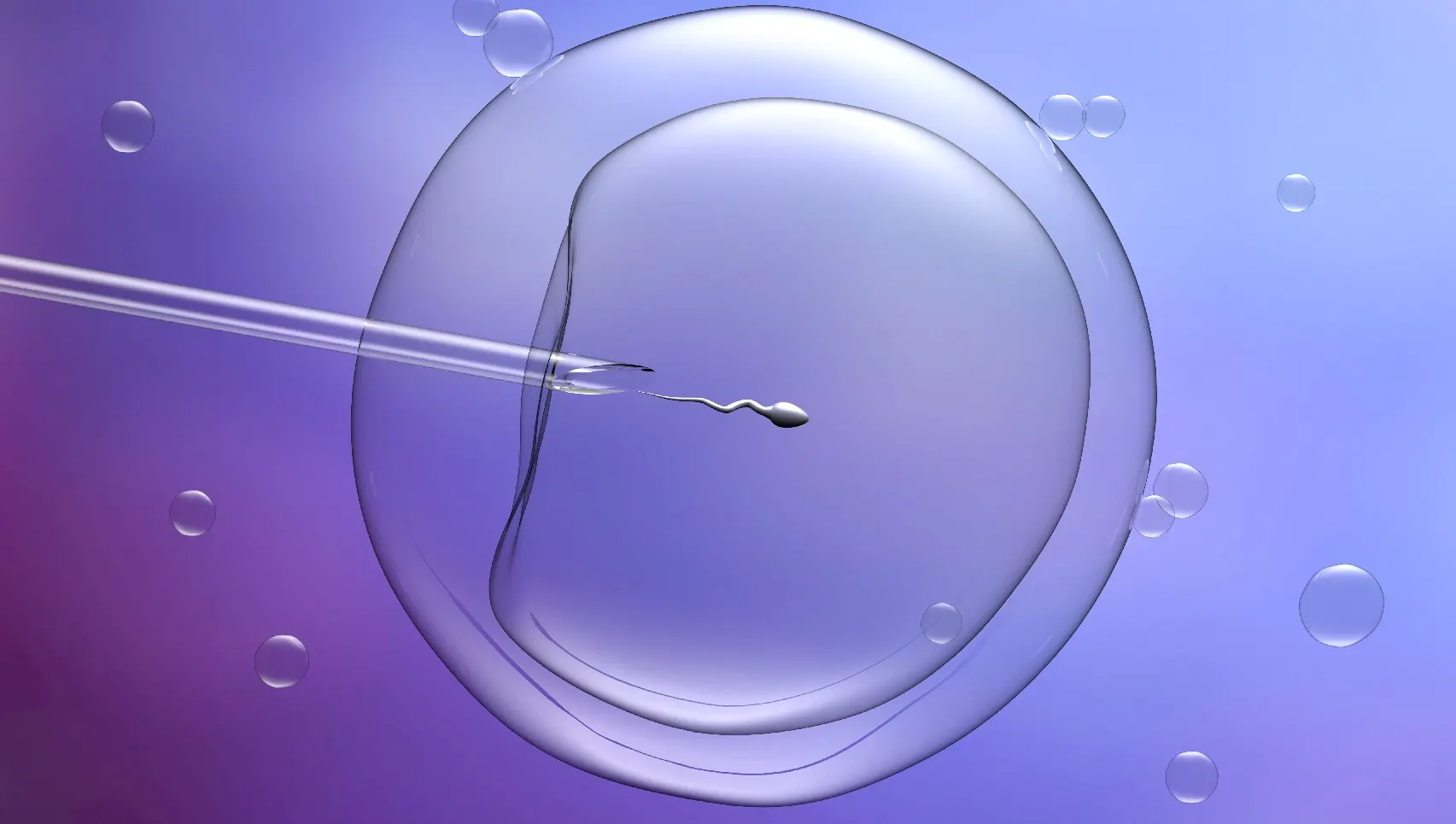
ICSI involves injecting a single sperm directly into a mature egg. It may be considered in selected cases, particularly when significant sperm-related factors or previous fertilization failure are present.
If embryos did not develop normally
If fertilization occurred but few or no embryos reached the stage suitable for transfer or freezing, the review may focus on egg-related, sperm-related and embryo-development factors.
Embryo development can provide useful information about the cycle, but it does not necessarily identify one definitive cause.
If an embryo was transferred but pregnancy did not occur
When an embryo transfer is followed by a negative pregnancy test, the review may focus on the embryo, uterine environment, endometrial factors and the overall treatment history.
One unsuccessful embryo transfer does not automatically mean that a patient has recurrent implantation failure.

Does One Failed IVF Cycle Mean You Need More Tests?
No. Additional testing is not automatically necessary after one failed IVF cycle.
Testing should be guided by what happened during the treatment and the patient’s individual medical history.
For example, if recurrent implantation failure is suspected, assessment of the uterine cavity may be considered using approaches such as sonohysterography, hysteroscopy or three-dimensional ultrasound. ASRM’s 2026 guidance also identifies selected genetic and inflammatory investigations that may be considered in appropriate patients.
However, several tests and treatments that are sometimes marketed after IVF failure are not recommended routinely for recurrent implantation failure based on current evidence. These include routine endometrial receptivity panels, BCL-6 testing, endometrial scratching, IVIG, G-CSF and anticoagulation without an appropriate indication. ASRM also states that there is insufficient evidence to routinely recommend sperm DNA fragmentation testing specifically for recurrent implantation failure.
The goal should be targeted investigation, not simply ordering more tests.
Should You Check the Uterus After Failed IVF?
It depends on the clinical circumstances.
The uterus and endometrium are important because the embryo must successfully interact with the uterine lining for implantation to occur.
A specialist may consider whether there are structural abnormalities such as:
- Endometrial polyps
- Submucosal fibroids
- Intrauterine adhesions
- Uterine abnormalities
- Hydrosalpinx
Uterine-cavity assessment may be particularly relevant when there have been repeated unsuccessful embryo transfers or when previous investigations suggest a possible abnormality.
That does not mean every patient needs hysteroscopy after a single negative IVF result.
The decision should be based on the complete clinical picture.
What If You Still Have Frozen Embryos?
If suitable frozen embryos remain after an unsuccessful fresh IVF transfer, a frozen embryo transfer may be an option.
Frozen embryo transfer allows a previously preserved embryo to be transferred in a later cycle without repeating the egg-retrieval and embryo-creation stages of the original IVF cycle.
Whether another frozen transfer is appropriate depends on the embryos available, the patient’s medical history, uterine and endometrial assessment and the circumstances of the previous transfer.
Dr. Emad Darwish provides embryo freezing as part of his fertility and IVF services, allowing embryos created during IVF to be preserved for future treatment when appropriate. Embryo freezing can therefore form part of a longer-term treatment strategy rather than requiring every future attempt to begin with ovarian stimulation and egg retrieval.
Should You Try IVF Again Immediately?
There is no single waiting period that applies to everyone after a failed IVF cycle.
The timing of another attempt depends on factors such as:
- How the previous cycle ended
- Physical recovery
- Ovarian response
- Whether further assessment is needed
- Whether frozen embryos are available
- Any treatment changes being considered
- Age and reproductive circumstances
- The patient’s emotional readiness
Some patients may be medically able to proceed relatively soon, while others may benefit from additional evaluation or a break between treatments.
There is also no universal rule that another IVF cycle must use exactly the same protocol. A previous cycle provides information that can help the fertility specialist decide whether an adjustment is appropriate.
Can You Try IVF Again After a Failed Cycle?
Yes. A failed IVF cycle does not automatically rule out another attempt.
A subsequent cycle may involve:
- The same general approach when there is no clear reason to change it
- A modified ovarian stimulation protocol
- Different fertilization strategy when clinically indicated
- Frozen embryo transfer
- Further assessment of the uterus or endometrium
- Genetic evaluation in selected circumstances
- A different treatment approach altogether
The decision should be based on the patient’s previous response rather than the assumption that every failed cycle requires a completely new strategy.
What If IVF Has Failed More Than Once?
Repeated unsuccessful IVF treatment deserves a more detailed review.
When several embryo transfers have failed, the situation may be considered recurrent implantation failure (RIF) depending on the number and characteristics of embryos transferred and the patient’s circumstances.
ASRM’s 2026 guidance defines RIF using the estimated number of good-quality blastocysts needed to reach a 95% cumulative chance of a positive pregnancy test, rather than simply defining it as any fixed number of failed IVF cycles.
When RIF is suspected, the evaluation may consider:
Embryo factors
Embryo morphology and, when applicable, chromosomal status can be reviewed.
A good-quality embryo is not necessarily a chromosomally normal embryo, and even a euploid embryo does not guarantee implantation.
Uterine and tubal factors
The uterine cavity and relevant tubal findings may be reassessed when clinically appropriate.
Previous IVF outcomes
The pattern across previous cycles can be important.
For example, repeated failure to achieve blastocyst development raises different questions from repeated negative pregnancy tests after transfer.
Genetic factors
In selected patients, parental chromosome testing or discussion of preimplantation genetic testing may be appropriate.
However, PGT-A should not be presented as a guaranteed solution to recurrent implantation failure. ASRM’s current guidance states that there is no evidence that PGT-A increases live-birth rates specifically in patients with RIF.
What Should You Ask Your Fertility Specialist After Failed IVF?
A follow-up consultation is more useful when you leave with a clear understanding of what happened.
Consider asking:
- At what stage did my cycle become unsuccessful?
- How did my ovaries respond to stimulation?
- How many eggs were mature?
- How did fertilization proceed?
- How did the embryos develop?
- Was the embryo transferred considered good quality?
- Was genetic testing performed or relevant in my case?
- Was there anything unusual about the transfer?
- Does my uterine cavity need reassessment?
- Do I have remaining frozen embryos?
- Is there a clear reason to change the treatment protocol?
- Do I actually need additional tests?
- Would another IVF cycle or frozen embryo transfer be more appropriate?
- What are the realistic options based on my individual history?
These questions can help shift the conversation from “Why did IVF fail?” to “What did this cycle tell us, and what should we do with that information?”
What Not to Do After a Failed IVF Cycle
A negative result can create pressure to immediately try another treatment, order every available test or blame yourself for the outcome.
None of these responses is necessarily appropriate.
Do not assume you caused the failure
IVF outcomes are influenced by biological factors that are not under a patient’s control. A negative result does not mean that you failed to follow instructions or that something you did caused the cycle to fail.
Do not assume one explanation fits every failed cycle
A failed transfer does not automatically mean poor implantation, an abnormal immune response or an inadequate uterine lining.
The actual cycle details matter.
Do not automatically add every IVF “add-on”
More treatment is not always better treatment.
Several commonly promoted tests and interventions have not demonstrated sufficient evidence to support routine use for recurrent implantation failure.
Do not assume the next cycle must be identical
The previous cycle should be reviewed first. Sometimes the best decision is to change something; sometimes there is no clear reason to change the core approach.
Can IVF Work After a Previous Failure?
Yes, a previous unsuccessful IVF cycle does not mean that future treatment cannot result in pregnancy.
The likelihood of success varies between patients and depends on factors including age, ovarian reserve, diagnosis, embryo characteristics, sperm factors and previous treatment history.
The important point is that a failed cycle is not a diagnosis by itself. It is an outcome that needs to be interpreted within the context of the patient’s complete fertility history.
ASRM notes that when no clear, correctable cause is found after appropriate evaluation for recurrent implantation failure, extensive additional testing is unnecessary and further embryo transfer can remain a reasonable option.

When Should You See a Fertility Specialist After Failed IVF?
A consultation is appropriate when you want to understand why a cycle was unsuccessful, whether further evaluation is justified or how to approach another attempt.
It is particularly important to seek specialist review after repeated unsuccessful embryo transfers, repeated failure of embryos to develop, unexpected ovarian response or other recurring patterns across IVF cycles.
Dr. Emad Darwish provides pre-IVF assessment and fertility testing, IVF, ICSI, embryo freezing and recurrent IVF failure services. His practice describes an individualized approach that considers the patient’s condition and previous treatment history when developing a fertility plan. Fertility and IVF services
Dr. Emad Darwish is a Consultant in Obstetrics and Gynecology and Consultant in Reproductive Medicine and IVF, with more than 16 years of clinical and academic experience in infertility treatment and assisted reproductive medicine according to his professional profile. About Dr. Emad Darwish
If you have experienced a failed IVF cycle, the next step does not have to be another cycle immediately. A detailed review can help determine what happened, whether anything needs further assessment and which treatment options may be reasonable for your individual circumstances.
Book an appointment with Dr. Emad Darwish to discuss your previous IVF treatment and possible next steps.
Medical disclaimer: This content is intended for general educational purposes and does not replace individualized medical assessment. Fertility treatment recommendations depend on medical history, test results, age, reproductive goals and other individual factors.
FAQ
What happens after a failed IVF cycle?
After a failed IVF cycle, the usual next step is to review where the cycle became unsuccessful, including ovarian response, fertilization, embryo development, embryo transfer and relevant uterine or endometrial factors. Further testing or another treatment cycle should be considered based on the individual findings.
Can I try IVF again after a failed cycle?
Yes. A failed IVF cycle does not automatically prevent another attempt. The timing and treatment approach depend on the previous cycle, physical recovery, available embryos and whether any additional assessment is clinically appropriate.
How long should I wait after failed IVF before trying again?
There is no single waiting period that applies to everyone. Some patients may be able to proceed relatively soon, while others may need further assessment, treatment or time to recover physically and emotionally.
Should I have tests after failed IVF?
Not necessarily. Additional testing should be targeted to the patient’s treatment history and clinical findings. Routine use of every available IVF test or add-on is not supported by current evidence.
Should I have a hysteroscopy after failed IVF?
Not automatically. Hysteroscopy or another assessment of the uterine cavity may be considered when recurrent implantation failure is suspected or when the patient’s history suggests a structural abnormality.
What if I still have frozen embryos after failed IVF?
A frozen embryo transfer may be an option if suitable embryos remain. This can allow another transfer without repeating ovarian stimulation and egg retrieval.
Does failed IVF mean I have recurrent implantation failure?
No. One failed IVF cycle or embryo transfer does not automatically mean recurrent implantation failure. RIF is a specific clinical situation assessed using the number and characteristics of previous embryo transfers and the patient’s circumstances.
Can IVF work after multiple failed cycles?
Yes, further treatment may still be appropriate for some patients. After repeated failures, a structured review can help determine whether there is a factor worth addressing or whether another embryo transfer remains reasonable.







Contact Us.
Get in touch with our pediatric care team today for expert advice, appointments, and support tailored to your child’s needs.