
A typical IVF cycle takes around 3 to 6 weeks, depending on the treatment protocol and whether the cycle includes additional steps such as ovarian suppression, embryo freezing, genetic testing or a frozen embryo transfer. HFEA and NHS guidance both describe IVF as a process that generally takes several weeks rather than a single procedure.
However, there is an important distinction between the active IVF cycle and the complete treatment journey.
The active treatment may take several weeks from starting medication through embryo transfer and pregnancy testing. The overall process can take longer when you include the initial consultation, fertility testing, treatment planning, preparation before ovarian stimulation, or a later frozen embryo transfer.
In a straightforward cycle, the main stages are:
- Fertility assessment and treatment preparation
- Ovarian stimulation and monitoring
- Trigger injection and egg retrieval
- Fertilization and embryo development
- Embryo transfer or embryo freezing
- Pregnancy testing
The exact timeline varies because IVF protocols are individualized. Your fertility specialist may change the medication schedule, monitoring frequency or transfer strategy according to your ovarian response, medical history and treatment plan.
How Long Does IVF Take From Start to Finish?
For many patients, the active IVF process takes approximately 3 to 6 weeks.
A simplified timeline looks like this:
|
IVF stage |
Typical timing |
|
Initial assessment and preparation |
Depends on testing and treatment plan |
|
Ovarian stimulation |
Usually around 1 to 2 weeks |
|
Final maturation trigger |
Approximately 36 hours before egg retrieval |
|
Egg retrieval |
One procedure |
|
Fertilization and embryo development |
Usually 2 to 6 days |
|
Fresh embryo transfer |
Usually a few days after egg retrieval |
|
Pregnancy testing |
Usually around 2 weeks after transfer |
These are general timeframes, not a fixed schedule. Some patients will have a shorter or longer timeline depending on the protocol being used. HFEA notes that an IVF cycle can take around 3 to 6 weeks, while the NHS describes a full cycle as taking approximately 3 to 6 weeks.
How Long Does the IVF Process Take Before the Injections Start?
The IVF cycle does not necessarily begin on the day you first visit the fertility clinic.
Before ovarian stimulation, you may need a fertility assessment and pre-treatment investigations.
These can include:
- Medical and reproductive history
- Pelvic ultrasound
- Ovarian reserve assessment
- Relevant blood tests
- Semen analysis
- Assessment of the uterus when indicated
- Infectious disease screening
- Genetic assessment in selected cases
Previous fertility investigations can sometimes be reviewed and incorporated into the treatment plan, while other patients may need additional testing before starting.
This preparation period can therefore vary considerably between patients.
Dr. Emad Darwish provides pre-IVF assessment and fertility testing as part of his fertility and reproductive medicine services. You can explore the clinic’s fertility and IVF services to understand the treatments available.
How Long Does Ovarian Stimulation Take?
Ovarian stimulation is the stage in which fertility medications are used to encourage the development of multiple ovarian follicles.
For many IVF protocols, stimulation lasts approximately 8 to 14 days, although the exact duration varies according to how the ovaries respond to treatment.
During this period, you will usually have monitoring appointments. Ultrasound and, when appropriate, blood tests help the fertility team assess follicle development and determine when the eggs are ready for final maturation.
The treatment is adjusted when necessary rather than following exactly the same number of medication days for every patient.
Current NICE guidance refers to controlled ovarian stimulation and monitoring as individualized components of IVF treatment, with recommendations based on current ESHRE guidance.
What Happens During IVF Monitoring?
Monitoring is an important part of the stimulation phase.
Your fertility team may use ultrasound to assess:
- Follicle development
- Number and size of developing follicles
- Ovarian response
- Endometrial development
Blood tests may also be used depending on the treatment protocol.
The purpose of monitoring is to help determine when final egg maturation should be triggered and to identify situations where medication adjustments or a change in the treatment plan may be appropriate.
Because ovarian response differs between patients, monitoring is one reason that the duration of stimulation cannot be predicted precisely for everyone.
How Long After the Trigger Injection Is Egg Retrieval?
Once the follicles have developed sufficiently, a trigger injection is used to support final egg maturation.
Egg retrieval is generally scheduled approximately 36 hours after the trigger, although the exact timing depends on the medication and protocol used.
Egg retrieval is performed using a needle guided through the vagina into the ovarian follicles. NICE recommends conscious sedation as a safe and acceptable form of analgesia for transvaginal oocyte retrieval.
The egg retrieval itself is a short procedure, but you should allow additional time for preparation, sedation or anaesthesia when used, recovery and discharge instructions.
How Long Does Egg Retrieval Take?
The procedure itself is usually completed during a single appointment.
The exact duration varies according to factors such as the number and accessibility of follicles and the clinical circumstances.
After retrieval, the eggs are taken to the embryology laboratory.
If sperm from a partner is being used, the sperm sample is generally provided around the time of egg collection unless a previously collected, donor or surgically retrieved sample is being used.
The eggs are then fertilized using either conventional IVF or, when clinically indicated, ICSI.
How Long Does Fertilization Take?
Fertilization is assessed after the eggs and sperm have been placed together or after ICSI has been performed.
If fertilization occurs, the resulting embryos continue developing in the laboratory.
The laboratory stage does not usually last weeks. Embryos are generally cultured for several days, with transfer or freezing taking place according to embryo development and the treatment plan.
HFEA states that embryos may develop for approximately 2 to 6 days before transfer, depending on the treatment and embryo development.
How Long After Egg Retrieval Is Embryo Transfer?
For a fresh embryo transfer, transfer may take place a few days after egg retrieval.
Embryos may be transferred at different developmental stages depending on the clinical plan and laboratory practice. Blastocyst-stage embryos are typically transferred around day 5 or 6 after fertilization when this approach is selected.
The embryo transfer itself is usually a brief procedure. A thin catheter is passed through the cervix and the selected embryo is placed inside the uterus.
NICE recommends ultrasound-guided embryo transfer during IVF.
Does Every IVF Cycle Include a Fresh Embryo Transfer?
No.
An IVF cycle may result in a fresh embryo transfer, or the embryos may be frozen for transfer at a later time.
A fresh transfer means an embryo is transferred during the same treatment cycle in which the eggs were retrieved.
A frozen embryo transfer, or FET, is performed in a later cycle. The embryo has already been created and cryopreserved, so there is no need to repeat ovarian stimulation and egg retrieval for that transfer.
The timing of a frozen embryo transfer therefore depends on the reason for freezing, the preparation of the uterine lining and the clinical protocol.
How Long Does a Frozen Embryo Transfer Take?
A frozen embryo transfer does not follow exactly the same timeline as an egg-retrieval IVF cycle.
The embryos have already been created and stored. The focus is instead on preparing the uterine lining and scheduling the embryo transfer.
Depending on the patient’s menstrual cycle and treatment protocol, preparation may involve:
- Monitoring the natural cycle
- Hormonal preparation
- Ultrasound monitoring
- Medication to support the uterine lining
- Embryo thawing and transfer
The time required varies according to whether a natural, modified natural or hormone-prepared cycle is being used.
This is why the phrase “one IVF cycle” can sometimes be confusing. A full IVF treatment may include ovarian stimulation, egg retrieval and the transfer of resulting fresh or frozen embryos, while a frozen embryo transfer itself is a separate treatment stage. NICE defines a full IVF cycle in this broader way.
How Long Is the Wait After Embryo Transfer?
After embryo transfer, patients usually wait approximately two weeks before pregnancy testing, although the exact timing depends on the clinic’s protocol and the type of transfer.
This period is often called the two-week wait.
During this time, prescribed medication such as luteal-phase support may be continued according to your treatment plan.
Your clinic will tell you when to perform the pregnancy test. Testing too early can make interpretation more difficult because pregnancy hormone levels may not yet be detectable at the expected level.
How Long Does IVF Take With a Pregnancy Test Included?
If you are having a straightforward fresh-transfer cycle, the active process from ovarian stimulation through pregnancy testing can take roughly 4 to 6 weeks, depending on the protocol.
A simplified example might look like:
Week 1–2: Ovarian stimulation and monitoring
Around the end of stimulation: Trigger injection
Approximately 36 hours later: Egg retrieval
Next several days: Fertilization and embryo development
A few days after retrieval: Fresh embryo transfer, if planned
Around 2 weeks later: Pregnancy test
This is an example rather than a guaranteed schedule. Some protocols omit ovarian suppression, while others include additional preparation or use a freeze-all strategy. HFEA notes that treatment can take around 3 to 6 weeks depending on the recommended protocol.
Why Can IVF Take Longer Than One Month?
Several factors can extend the IVF timeline.
1. Additional pre-treatment
You may need further fertility testing, treatment of an underlying condition or additional medical preparation before ovarian stimulation.
2. Ovarian response
The stimulation period may be adjusted according to how your ovaries respond to medication.
A lower-than-expected response, excessive response or other clinical finding can affect the treatment plan.
3. Freeze-all treatment
Instead of transferring an embryo immediately, your fertility team may recommend freezing embryos and transferring one later.
This separates egg retrieval and embryo transfer into different treatment stages.
4. Genetic testing
When embryo genetic testing is clinically indicated, embryos may be biopsied and frozen while the laboratory testing is completed. This means embryo transfer occurs later rather than during the same fresh cycle.
The exact additional time depends on the type of genetic testing, laboratory process and clinic protocol.
5. Medical considerations
Conditions involving the uterus, ovaries, hormones or general health may need to be addressed before transfer.
A longer timeline does not necessarily indicate a problem. Sometimes separating treatment stages is part of the planned approach.
How Long Does IVF Take With ICSI?
ICSI does not usually add weeks to the ovarian stimulation portion of an IVF cycle.
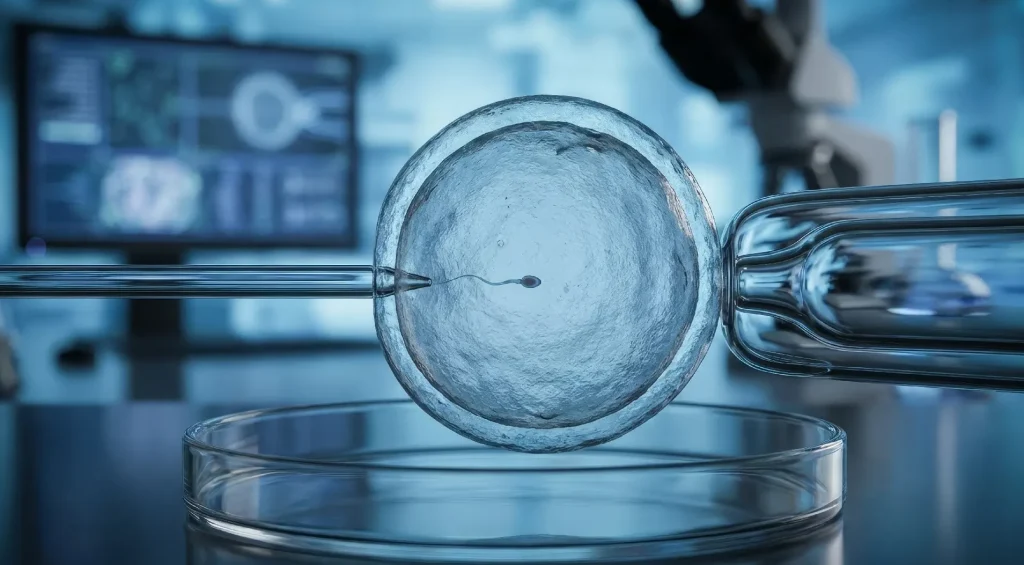
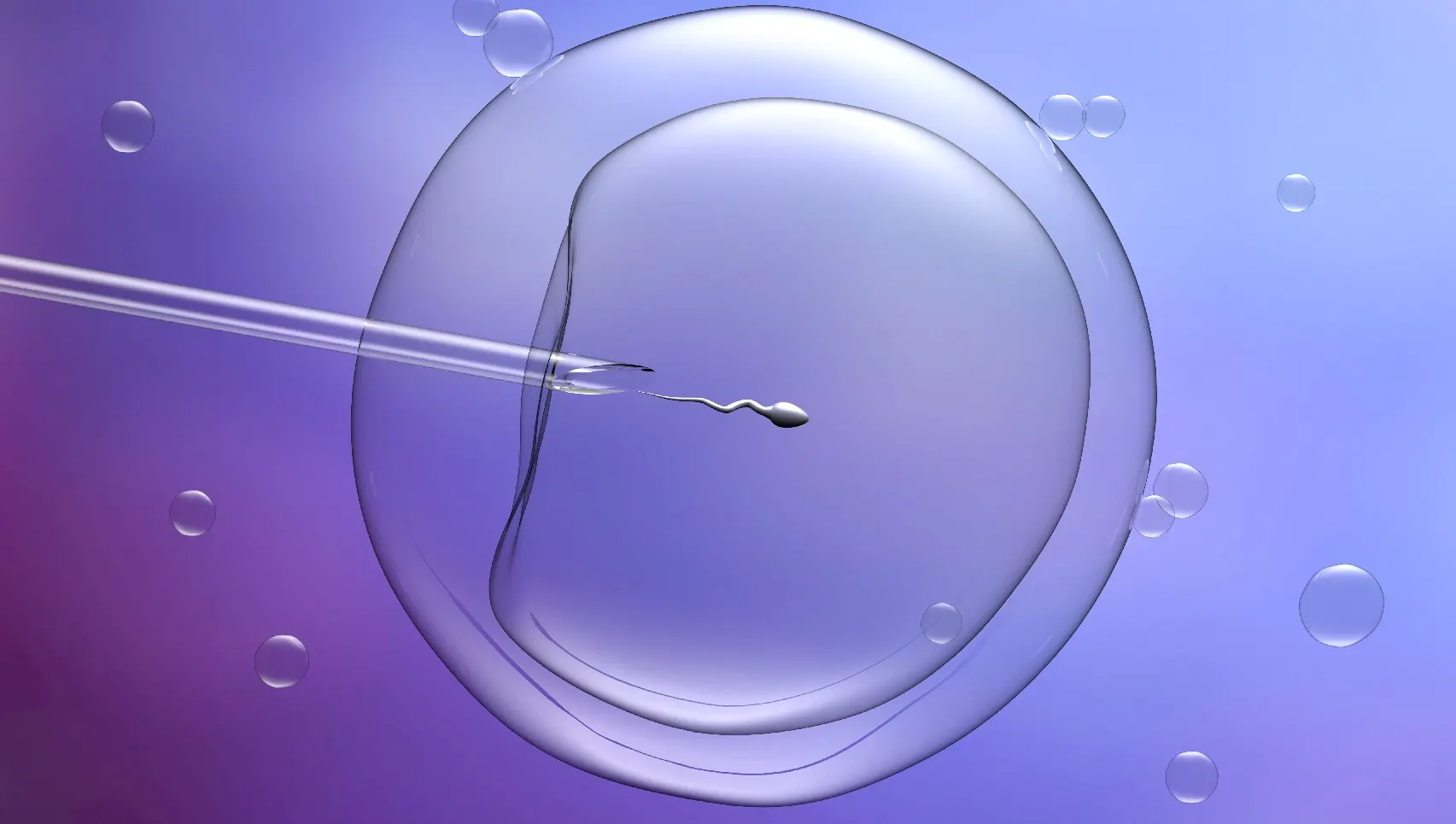
ICSI is a fertilization technique performed in the laboratory as part of an IVF cycle. Instead of allowing sperm and eggs to fertilize in the laboratory dish through conventional IVF, an embryologist injects a single sperm directly into a mature egg.
The subsequent embryo development and transfer stages follow the IVF laboratory timeline.
ICSI may be considered when there are significant sperm-related factors, previous fertilization problems or other clinical indications.
Therefore, the overall IVF timeline is generally determined more by the stimulation, embryo development and transfer strategy than by whether conventional IVF or ICSI is used for fertilization.
How Long Does IVF Take With PGT?
When preimplantation genetic testing is part of the treatment plan, the timeline can be longer because embryos are generally biopsied and then cryopreserved while testing is completed.
The embryos are not transferred immediately while the genetic results are being processed.
The exact timeline depends on:
- The type of PGT
- The laboratory performing the analysis
- Whether a genetic condition has already been identified
- The testing workflow
- The subsequent frozen embryo transfer protocol
Genetic testing should only be recommended when there is an appropriate clinical indication and should be discussed with the fertility and, where relevant, genetics team.
Does Age Affect How Long an IVF Cycle Takes?
Age does not necessarily determine how many days the medication phase lasts.
However, age can influence treatment planning because ovarian reserve, ovarian response, embryo development and other reproductive factors vary between individuals.
This means that two patients of different ages, or even two patients of the same age, may follow different IVF protocols.
Treatment duration should therefore be considered separately from treatment outcomes. A shorter IVF cycle is not necessarily a better IVF cycle. The objective is to use an appropriate and safe treatment protocol for the individual patient.
Can an IVF Cycle Be Cancelled Before Egg Retrieval?
Yes.
An IVF cycle does not always proceed from stimulation to egg retrieval and embryo transfer.
For example, a cycle may need to be stopped or modified if the ovaries respond inadequately, respond excessively or if another clinical concern arises.
The fertility team monitors the patient throughout stimulation to identify these situations and decide whether continuing the cycle is appropriate.
This is one reason patients should not view the IVF timeline as a fixed calendar that cannot change.
Can IVF Be Completed in One Month?
Sometimes the active treatment can fit within approximately one month, particularly with protocols that do not require a prolonged suppression phase.
However, other patients may need 3 to 6 weeks or longer, particularly if the treatment involves additional preparation, freezing, genetic testing or a later embryo transfer.
HFEA reports that one IVF cycle can take approximately 3 to 6 weeks, while its detailed IVF guidance notes that some protocols may take around three weeks and others around four to six weeks.
Is the Whole IVF Journey Longer Than the IVF Cycle?
Usually, yes.
Patients often use “IVF cycle” to mean everything from the first consultation until the pregnancy test. Clinically, however, several stages may occur before and after the active stimulation cycle.
The broader timeline can include:
Initial consultation → fertility testing → treatment planning → IVF stimulation → egg retrieval → embryo development → fresh or frozen transfer → pregnancy testing → early pregnancy follow-up
If additional testing, treatment or a frozen embryo transfer is needed, the overall process can extend beyond the timeframe of the initial stimulation cycle.
How Can I Prepare for an IVF Cycle?
Good preparation can make the treatment process easier to organize.
Before starting, make sure you understand:
- Which medications you will use
- When stimulation begins
- How often monitoring appointments are expected
- When egg retrieval is planned
- Whether you are expecting a fresh or frozen transfer
- Whether ICSI is being used and why
- Whether embryo freezing or genetic testing is planned
- When your pregnancy test will take place
You should also ask your fertility specialist which parts of the timeline are fixed and which may change depending on your ovarian response.
Dr. Emad Darwish’s fertility services include IVF, ICSI, IUI, ovarian stimulation, pre-IVF assessment and fertility testing. Fertility & IVF Services
What Should I Ask My Fertility Specialist About the IVF Timeline?
Before starting treatment, useful questions include:
- How long is my expected stimulation phase?
- How many monitoring appointments should I expect?
- When will egg retrieval likely take place?
- Are we planning a fresh or frozen embryo transfer?
- Will ICSI be used, and what is the indication?
- Could my embryos need to be frozen before transfer?
- Will genetic testing affect the timing of transfer?
- When should I take the pregnancy test?
- What circumstances could cause the treatment schedule to change?
Having these answers before treatment starts can make the timeline much easier to understand.

When Should I Speak With a Fertility Specialist?
If you are considering IVF, the first step should be an individualized fertility assessment rather than assuming that every patient needs the same treatment protocol.
A specialist can review your age, fertility diagnosis, ovarian reserve, previous treatment, sperm factors and reproductive history before determining the appropriate treatment plan.
Dr. Emad Darwish is listed by his clinic as a Consultant in Reproductive Medicine and IVF Specialist, with more than 16 years of experience in infertility treatment, IVF and assisted reproductive technologies. His clinic also lists pre-IVF assessment and fertility testing among its fertility services. About Dr. Emad Darwish
If you are preparing for IVF and want to understand how long your specific treatment may take, an appointment can help you build a realistic timeline based on your individual circumstances.
You can also contact the clinic for appointment-related questions.
Medical disclaimer: This content is intended for general educational purposes and does not replace individualized medical assessment. Fertility treatment recommendations depend on medical history, test results, age, reproductive goals and other individual factors.
FAQ
How long does one IVF cycle take?
A typical IVF cycle takes around 3 to 6 weeks, although the exact duration depends on the stimulation protocol, ovarian response, embryo-transfer strategy and whether additional treatment steps are required.
How long do IVF injections take?
Ovarian stimulation commonly lasts around 8 to 14 days, but the exact duration varies according to ovarian response and the treatment protocol.
How many days after egg retrieval is embryo transfer?
With a fresh transfer, the embryo is usually transferred several days after egg retrieval, depending on embryo development and the clinical plan. Embryos may be transferred at different developmental stages, including the blastocyst stage.
How long after embryo transfer do I take a pregnancy test?
A pregnancy test is commonly scheduled approximately two weeks after embryo transfer, although your clinic will provide the specific testing date.
Does ICSI make IVF take longer?
Usually, ICSI does not significantly extend the overall IVF timeline. It is a laboratory fertilization technique performed during the IVF process, after egg retrieval.
Does genetic testing make IVF take longer?
Yes, when embryo genetic testing is performed, transfer may be postponed until the testing process is complete. Embryos are generally frozen while the results are obtained, followed by a later frozen embryo transfer.
Can IVF be completed in three weeks?
Some IVF protocols can be completed in approximately three weeks, particularly when the initial suppression stage is not required. Other protocols take four to six weeks or longer.
Why might my IVF cycle take longer than expected?
The timeline may change because of ovarian response, additional testing, medical treatment, embryo freezing, genetic testing or the decision to use a frozen rather than fresh embryo transfer.
Does a longer IVF cycle mean something is wrong?
Not necessarily. IVF protocols are individualized, and additional time may be intentionally built into treatment for medical or laboratory reasons.







Contact Us.
Contact the clinic to ask about fertility evaluation, IVF and ICSI, or to arrange an appointment with Dr. Emad Darwish El Sayed.